
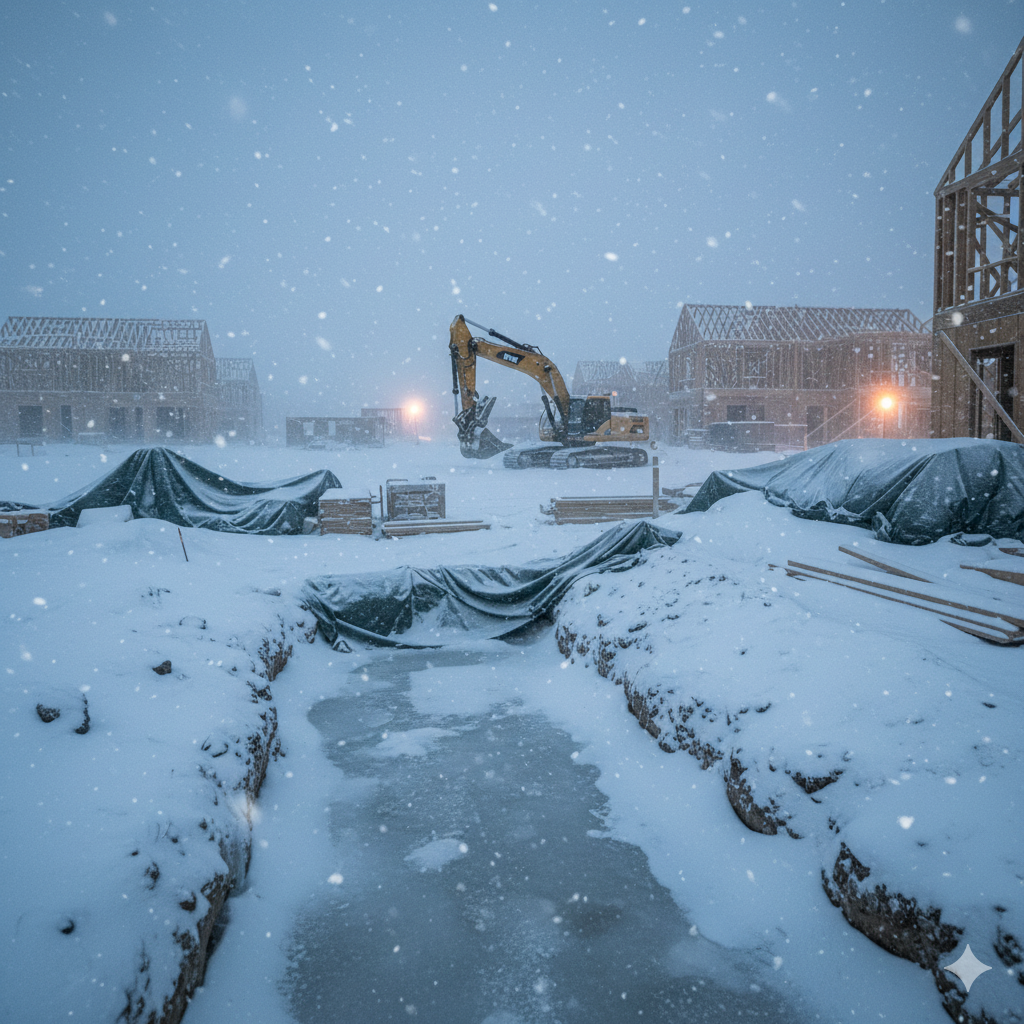
Winter construction projects can be efficient, but they come with unique challenges. While some interior renovations and minor maintenance are feasible during the colder months, exterior work, excavation, and weather-sensitive projects often need to be postponed until spring. In this blog post, we’ll explore when to avoid winter construction and the risks involved in outdoor projects during winter in cold climates like Ontario.
Table of Contents
ToggleWhy Winter Construction Isn’t Always Ideal for Exterior Projects?
While construction continues throughout the winter months, not all projects are suitable for the colder weather. Freezing temperatures, snow accumulation, and icy ground present numerous challenges for certain types of construction work. In particular, excavation, masonry, foundation work, and structural builds can face serious delays and safety risks during the winter. Here’s why:
1. Frozen Ground and Excavation Difficulty
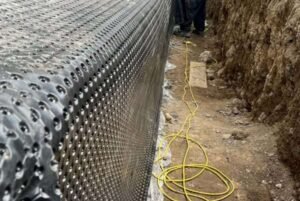
Excavation work requires digging into the soil, and when the ground freezes, it becomes significantly harder to dig. This can lead to delays, as contractors must use additional equipment or manual labor to break through frozen soil. Frozen ground can also lead to the shifting of soil, making it difficult to establish a stable foundation. This is especially problematic for deep excavation work, such as foundation digging or trenching for utilities. In many cases, the risk of frost heave (where the ground expands and contracts due to freeze-thaw cycles) can lead to long-term structural issues if not properly addressed.
Impact: Longer timelines, increased costs, and potential long-term settling issues if the project is not done correctly.
2. Concrete and Masonry Work in Cold Weather
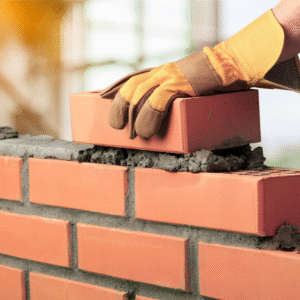
Concrete and masonry work are highly sensitive to cold weather. When concrete is poured in freezing temperatures or if it freezes too quickly, it doesn’t cure properly, leading to cracking and weakened structural integrity. Similarly, mortar and grout need to be kept at specific temperatures to maintain their strength. If the temperature drops too low, masonry materials can fail to bond properly, compromising the safety and durability of the structure. Cold-weather procedures such as heated enclosures and insulated blankets are required to ensure concrete and masonry work cures properly during winter months.
Impact: The need for additional equipment and materials can increase costs, and poor curing can lead to future repairs or replacements.
3. Safety Concerns: Snow, Ice, and Slippery Surfaces
Snow and ice are natural hazards in winter, and they pose significant risks to both workers and the construction site. Slippery surfaces increase the likelihood of accidents such as falls, while snow accumulation can obstruct equipment and delay progress. Additionally, extreme cold and icy weather can slow work down significantly, as contractors must clear snow, remove ice, and take safety precautions for their crew. These added steps can increase both time and costs.
Impact: Increased risk of accidents, slower progress, and potential safety violations if the site is not properly maintained in winter conditions.
4. Shorter Daylight Hours and Unpredictable Weather
During the winter months, there are fewer daylight hours for construction work. This limits the amount of time available for outdoor work and increases the risk of delays due to snowstorms, rain, or extreme cold. Unpredictable weather makes it difficult to maintain a consistent work schedule, and some tasks simply cannot be done safely or effectively in low light or extreme cold. Many construction projects require a certain amount of time to complete, and winter conditions can extend timelines beyond what was originally anticipated.
Impact: Reduced productivity, extended timelines, and potential project delays.
5. Higher Costs and Potential for Rework
Winter construction often requires additional resources, such as heating equipment, special protective materials, and cold-weather gear for workers. These added expenses can drive up project costs. Furthermore, if a winter project is rushed or done improperly due to weather challenges, there is a higher likelihood of needing rework in the spring. For example, improperly poured concrete or masonry in the winter may require fixing once the weather warms up, adding additional costs and delays to the project.
Impact: Increased project costs and the potential for rework that could compromise budget and schedule.
When Winter Construction Can Be Done — And When You Should Wait
While winter construction is challenging, it’s not impossible. However, certain projects are more suited to the winter months than others. Here’s when winter construction might be suitable and when it’s better to wait until spring:
Winter Can Work for Interior Projects
Winter is a great time to focus on interior projects like basement finishing, kitchen remodels, or bathroom renovations. Since these projects are unaffected by weather conditions, you can continue work indoors without the risk of frozen ground or snow. Additionally, contractors may be more available during winter, leading to shorter wait times and more flexibility in scheduling.
Winter is also an ideal time to tackle energy-efficiency upgrades, such as insulation, air-sealing, or window replacements. These projects can significantly improve your home’s comfort and energy savings for the rest of the winter season.
Winter Should Be Avoided for Exterior, Excavation, and Heavy Construction
For exterior projects such as roofing, foundation work, landscaping, and any excavation, it’s best to avoid winter. Cold ground, ice, and snow present too many risks to project success, especially for foundational or structural work. Delays and unexpected costs can quickly escalate, making it less cost-effective to start these projects in winter.
If your project involves heavy masonry, pouring concrete, or excavation, it’s best to wait until temperatures rise and the ground thaws. Spring and summer offer the best conditions for these types of work, ensuring a smoother, more efficient process with fewer complications.
What Homeowners Should Ask Before Doing Winter Construction
If you’re considering winter construction, it’s important to ask your contractor the right questions to ensure the project will be successful despite the winter conditions:
- Do you have cold-weather construction procedures in place? Ensure the contractor has experience working in cold temperatures and follows proper winter building practices.
- Are you using heated enclosures for concrete or masonry work? Proper curing is essential for long-lasting results in cold weather.
- Will excavation be affected by frozen ground? Make sure the contractor assesses the risk of frozen ground and has the necessary equipment to handle it.
- What’s the projected timeline for this project? Understand that winter construction might take longer than expected, especially for outdoor work.
- What safety measures are being taken to protect workers from winter hazards? Safety should always be a priority, so ensure that ice and snow removal are factored into the project plan.
Conclusion: Winter Construction Challenges & Planning Ahead
Winter can be a tough time for construction projects, especially when it comes to exterior work, excavation, and masonry. Freezing temperatures, snow accumulation, and other weather factors can cause delays, increase costs, and even affect the quality of the work. However, winter is still a great time for indoor renovations, energy-efficiency upgrades, and certain smaller projects that don’t require extensive excavation or masonry.
At Solid Core Construction, we believe in transparency and providing our clients with realistic expectations. If you’re planning a project this winter, it’s important to consider the type of work and whether it can be completed safely and efficiently in the colder months. If not, waiting until spring could save you time, money, and headaches in the long run.
If you need help deciding whether to start your project this winter or plan for the spring, reach out to us at Solid Core Construction. Our team of experts will guide you through the process and ensure your project is completed with the highest standards of safety and quality.
Contact us today to schedule a consultation!