
Owning or managing a property in the Toronto–GTA area means recognizing when routine maintenance isn’t enough. At some stage, minor patch‑ups stop being cost‑effective and a real, comprehensive restoration becomes necessary. If you’re seeing recurrent issues, it may be time to engage a full building restoration specialist and not just another quick repair.
This article outlines the key indicators you should watch for, explains why early action pays off, and guides you on what to expect when proceeding with a full restoration.
Table of Contents
ToggleWhy “just repairs” sometimes aren’t enough
Many building owners start with spot repairs: fix the crack here, replace the flashing there, clean the facade. In many cases, that’s fine. But if underlying issues compound, you incur:
-
escalating costs because multiple independent repairs add up
-
risk of failure in structural systems leading to safety hazards
-
loss of value and appeal of the property because the root problem remains untreated
As one expert blog points out:
“Repeated repairs add up and they don’t solve root issues. Restoration is a proactive step that protects your investment, extends the life of your facility…”
Moreover, restoration is fundamentally different from renovation or routine repair. As explained by a specialist:
“Building restoration aims to preserve the structure’s original character and integrity, while renovation often involves modernising and altering it.”
So, the goal with full restoration is not just “make it look good” but bring the building back to a safe, durable, and sustainable condition.
Top Signs Your Building Needs Full Restoration
Here are key warning signs. If you observe one or more, it’s time to consider calling in a restoration contractor (rather than simply scheduling another repair):
1. Recurring water infiltration & moisture damage
When you have repeated water‑entry events—dripping ceiling, leaking walls, recurring damp patches—it signals deeper issues: failing membranes, degraded weather‑proofing, bonded masonry porous or deteriorated. A single leak might call for a repair but repeated water damage in the same areas is one of the clearest and critical signs your building needs restoration instead of ongoing patchwork solutions. Plus water leads to mold, rot, corrosion, undermining structural elements.
2. Structural instability or movement
Cracks in walls that widen, doors/windows that don’t close properly, sloping floors, bulging facades, all point to structural shift or foundation issues. These are not cosmetic fixes. They require full structural assessment and restoration.
3. Widespread deterioration of building materials
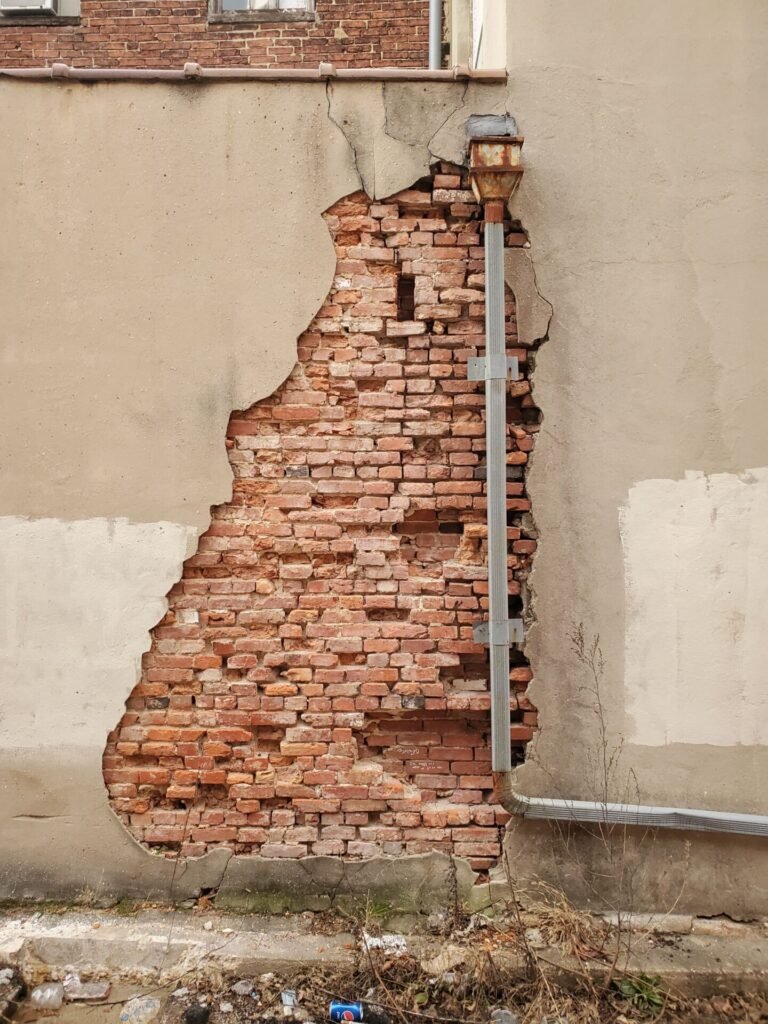
If mortar joints are crumbling, bricks are spalling, stone is eroding, large sections of the facade look weather‑worn or degraded—these signs show the building envelope is fatigued. In historic masonry, discoloration, minor cracks, loose bricks or stones, and deteriorating mortar are indicators.
4. Building systems or infrastructure are outdated or failing
Sometimes the issue is internal: old electrical, plumbing, HVAC, fire‑protection systems, or outdated accessibility features. If you’re repeatedly repairing these or are no longer compliant, you may need a restoration‑level intervention. Buildings that haven’t been updated in decades are often overdue for restoration… outdated electrical systems, aging plumbing … don’t just affect performance they can also violate building codes.
5. Multiple cosmetic issues across the building
Peeling paint, cracked tiles, visible rust stains, buckled finishes—while individually cosmetic, when many surfaces across the property show these signs, it often means the building’s protective layers have failed and a deeper restoration is warranted.
6. Code, safety or historic‑preservation compliance issues
If your building fails inspections or is part of a heritage structure requiring specific treatments, then repair‑only may not satisfy legal/regulatory obligations. Preservation of original materials and design may be required.
Why Acting Sooner Rather Than Later Pays Off
-
Cost‑efficiency: Tackling the root problem avoids repeated fixes which over time cost more.
-
Preservation of value: A well‑restored building commands better value and occupancy.
-
Safety and liability: Structural/facade failures pose risk to occupants/pedestrians.
-
Heritage or branding advantage: If your building has architectural character (or you’re positioning your business property with strong presentation) restoration enhances appeal.
-
Extended lifespan: Proper restoration ensures durability and reduces long‑term maintenance burden.
What Does a Full Building Restoration Involve?
Here is what you should expect when commissioning a full restoration for your Toronto‑area property:
-
Comprehensive Assessment & Diagnostics
-
Structural engineer/masonry specialist inspects façade, foundation, envelope, moisture intrusion.
-
Identify failure mechanisms: mortar degradation, weather penetration, settlement, corrosion.
-
-
Design & Specification of Work
-
Specify matching materials (especially for heritage or masonry buildings).
-
Scope the full work: façade repair, roof/flashing, waterproofing, structural/anchor repair, system upgrades.
-
Develop schedule & budget.
-
-
Permits & Compliance
-
Ensure work meets building code, heritage requirements (if applicable), and local permit rules in Toronto/GTA.
-
Heritage buildings often require conservation‑grade materials and methods.
-
-
Execution of Restoration
-
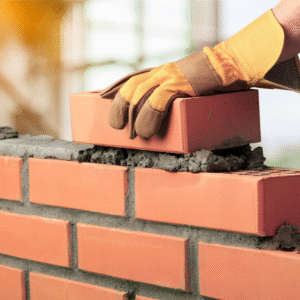
Masonry work: tuck‑pointing, brick/stone replacement, cleaning.
-
Structural work including anchors, lintels, stabilization.
-
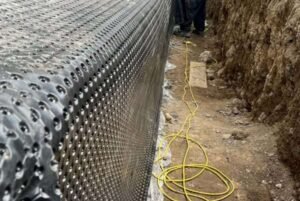
Envelope upgrades: flashing, sealants, waterproofing membranes.
-
Internal systems as needed (HVAC, fire, insulation).
-
Close coordination and quality control are key; Toronto GTA firms emphasise minimal disruption and professional execution.
-
-
Finishing & Quality Control
-
Ensure aesthetic and structural integration; matching bricks, proper mortar, visual continuity.
-
Inspect and sign‑off work; verify that moisture intrusion, structural movement and aesthetic issues are resolved.
-
-
Maintenance Plan & Monitoring
-
After restoration, set up a scheduled inspection and maintenance regime to preserve your investment.
-
Early detection of new issues prevents major future costs.
-
How to Decide: Repair vs Restoration
-
If you’re seeing a single isolated issue (e.g., one leaking roof section), a repair may suffice.
-
But if you’re seeing multiple recurring issues across the building envelope or structural systems, you should shift the mindset to restoration.
-
Ask the following questions:
-
Has this issue been repaired repeatedly?
-
Are multiple systems/materials showing signs of failure?
-
Is the building showing movement, settlement or shift?
-
Does the building have heritage or architectural significance worth preserving?
-
Are your costs rising for ongoing maintenance?
-
-
If you answered “yes” to more than one, lean toward engaging a restoration specialist.
About Solid Core Construction (Toronto/GTA)
At Solid Core Construction, we specialise in large‑scale restoration services , masonry work and custom builds across Toronto & the GTA. Our expert team combines heritage‑sensitive workmanship with modern structural integrity techniques, ensuring your property is not only restored today — but built to last tomorrow.
Ready to take action? Contact us for a full building assessment and let’s protect your investment.