
Homes age the way people do slowly, quietly, and sometimes all at once. A storm hits. A pipe burst. A fire shouldn’t spread. When a home is old, damaged, or no longer safe, many homeowners face a difficult question:
Should we restore it, or should we demolish it and start fresh?
This choice is bigger than it looks. It affects your budget, timeline, property value, insurance coverage, and long-term peace of mind. Some houses only need smart repairs, while others require a full reset.
As experts in restoration and construction, solidcoreconstruction helps homeowners across Toronto, make informed decisions every day. This easy-to-read guide breaks down the true cost-benefits of restoration vs. demolition and full rebuild, so you can choose the option that’s best for your home, your goals, and your wallet.
Let’s explore both paths; clearly, calmly, and with practical examples you can actually use.
Table of Contents
Toggle1. Understanding Restoration: What Does It Actually Mean?
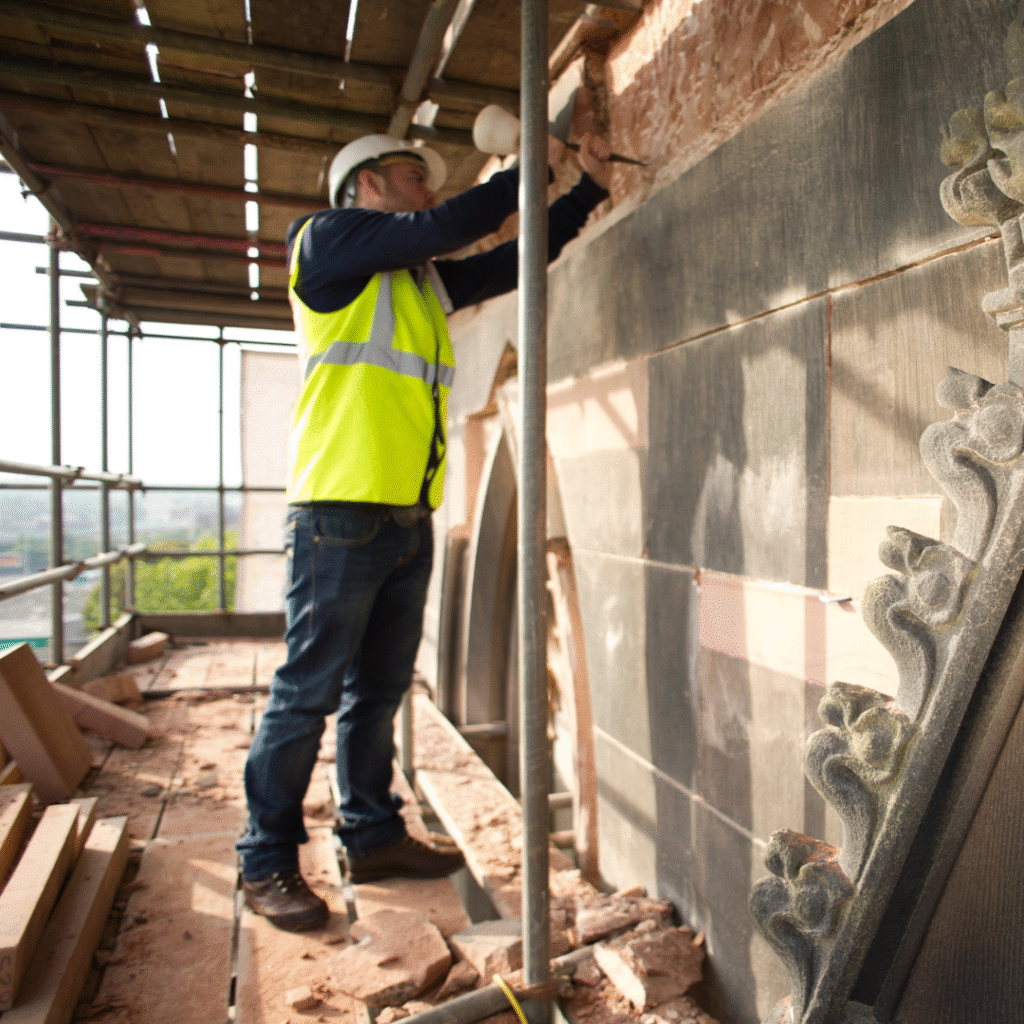
Restoration means rebuilding the parts of your home that are damaged, outdated, or unsafe while keeping the main structure intact.
homeowners choose restoration when:
- Only part of the home is damaged.
- The foundation is strong
- The house has character worth saving
- Insurance covers repairs.
- Repairing is cheaper than rebuilding.
Restoration focuses on saving what can be saved while replacing the parts that can’t. It’s often the first choice for homeowners because it is usually faster and more affordable than a full rebuild.You can explore professional restoration services solidcoreconstruction/ services.
2. Understanding Demolition & Full Rebuild
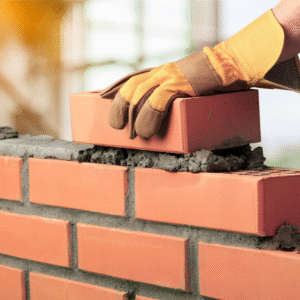
A full rebuild with complete demolition of the existing structure. This option gives you a fresh start, often with better materials, modern efficiency, and a layout designed for your lifestyle.
Homeowners choose rebuilds when:
- Damage covers more than 50% of the home
- The structure is unsafe
- The home is extremely outdated
- Repairs cost more than rebuilding
- They want a modern layout or bigger space
- The house fails to meet today’s safety codes
Rebuilding is usually more expensive, but sometimes it’s the more cost-effective long-term choice.
3. Cost Comparison: Restoration vs. Rebuild (Realistic Breakdown)
| Category | Average Cost (2025 Canada) | What Affects the Cost | Typical Examples |
| Restoration | $20,000 – $250,000+ | Fire damage, water damage, mold removal, foundation repairs, structural issues, interior upgrades | • Basement flood restoration: $10,000–$30,000 • Major fire restoration: $60,000–$250,000 |
| Demolition | $15,000 – $40,000 | Permits, machinery, waste removal, labour, hazardous material cleanup | • Full home teardown including disposal: $20,000–$35,000 |
| Full Rebuild | $250,000 – $1,000,000+ | Size of home, materials, custom designs, city permit fees, foundation condition, energy-efficient upgrades | • Standard 1,500–2,000 sq ft home rebuild: $300,000–$600,000+ |
The Canada Mortgage and Housing Corporation (CMHC) shares construction cost trends:
.cmhc-schl.gc.
4. Time Comparison: Which Is Faster?
Restoration Timeline
2 weeks to 6 months
(depends on damage level and materials)
Demolition + Rebuild Timeline
10 months to 2 years
(Design, permits, construction, inspections, finishing.)
If you need to move back into your home quickly, restoration is usually the better option.
5. When Restoration Is the Better Choice
Restoration is usually better when:
The structure is still strong
If the foundation, framing, and main supports are stable, restoration can save you tens of thousands of dollars.
Only part of the home is damaged
For example:
- Kitchen fire
- Basement leak
- Wind-damaged roof
- Mold in one area.
You want to keep the original character of the house
Restoration is great for older homes with charm.
Insurance covers the repairs
Insurance usually covers the cost to restore what’s damaged—a cracked wall or warped floor—not to rebuild from scratch. This single advantage can spare homeowners a huge chunk of money—enough to cover a new roof or a season’s worth of heating bills.
You want a faster solution
Restoration gets you back home sooner.
To learn more about restoration options, visit solidcoreconstruction.
6. When Demolition & Full Rebuild Is the Smarter Choice
Rebuilding often ends up the wiser option when :
damage runs deep
say half the house or more, with splintered beams and sagging walls—because starting fresh may actually cost less in the long run.
Home is too old to upgrade affordably
- Homes with:
- Old wiring
- Bad plumbing
- Poor insulation
- Weak framing
- Unsafe foundations
…may cost more to repair than to rebuild.
Asbestos or toxic mold is widespread
Some hazardous materials are cheaper to remove by tearing down.
The house is simply too old to upgrade without breaking the bank
old wiring, leaky pipes, thin insulation, shaky framing, and a foundation that groans in the cold can make rebuilding cheaper than repair.
Higher future property value matters
A newly rebuilt home often increases resale value more than a restored one.
Rebuild becomes the better option when Health Canada’s asbestos safety information:
.canada/health-canada.
You want a modern, energy-efficient home
New homes reduce long-term costs with:
- Better insulation
- Stronger building codes
- Energy-efficient windows
- Smart layout designs
- Safer materials
7. Long-Term Cost Benefits: Restoration vs. Rebuild
Let’s compare the long-term benefits of both options.
Restoration Long-Term Benefits
- It costs less up front,
- goes up faster,
- cuts down on leftover scrap,
- and’s easier on the environment—
- all while keeping your home’s original charm
- making insurance simpler.
Rebuild Long-Term Benefits
- New structure meets modern codes
- Better energy efficiency
- Lower maintenance costs for decades
- Improved safety
- Custom layout and design
- Higher resale value
8. Environmental Impact: Which Option Is Greener?
Restoration = More eco-friendly
It produces less waste and keeps most materials in use.
Rebuild = Higher waste
But offers long-term energy savings.
Environmental agencies like Canada Green Building Council (CAGBC) explain why energy efficiency matters.cagbc.org/
9. Insurance: A Big Factor Many Homeowners Forget
Insurance companies generally prefer restoration because it costs them less.
However, in severe disasters—like major house fires—they may approve demolition and rebuild.
Insurance often covers:
- Fire restoration
- Water damage restoration
- Storm repairs
- Mold treatment
- Structural repairs
Insurance rarely covers:
- Full home upgrade
- New luxury additions
- Complete new layout
- Demolition without reason
Always review your policy carefully and speak with your insurance adjuster.
10. Questions to Ask Before Choosing Restoration or Rebuild
Here are 10 questions Solid Core Construction recommends:
- Is the home structurally safe?
- What does the foundation look like?
- How old are the plumbing and electrical systems?
- Are there hidden damages?
- How much will restoration cost compared to rebuilding?
- How long will each option take?
- Will insurance cover the work?
- How important is the current layout to you?
- Does the home meet modern building codes?
- Will rebuilding add more property value?
Our team can help you answer all of these with a professional home assessment. solidcoreconstruction.ca/contact.
Pros & Cons Table for Quick Decision-Making
| Option | Pros | Cons |
| Restoration | Lower cost, faster, insurance-friendly, keeps original structure | May not fix deep old-home issues |
| Demolition & Rebuild | Clean start, modern design, high efficiency | Higher upfront cost, longer timeline |
Frequently Asked Questions (FAQ)
1. Is it cheaper to rebuild or restore a home?
Restoration is usually cheaper. But if repairs cost more than 60% of a rebuild, rebuilding may be smarter.
2. How do I know if my home should be demolished?
If the structure is unsafe, severely damaged, or extremely outdated, demolition may be the better option.
3. Does insurance cover demolition and rebuild?
Sometimes—especially after major fire or storm damage. Smaller repairs are usually restoration only.
4. How long does a full rebuild take?
Most rebuilds take 10–24 months depending on size and permits.
5. Can restoring an old home increase property value?
Yes, especially if it improves structure, safety, and appearance.
6. Does restoration keep the original home layout?
Yes, unless you choose to make additional changes.
7. What should I do first if my home is damaged?
Get a professional assessment from a trusted contractor like Solid Core Construction.
Conclusion
You don’t have to feel lost deciding between a careful restoration and starting fresh with a full rebuild. Restoration goes smoothly when your house has solid bones, the damage isn’t too bad, or your insurance has you covered. It’s best to do a complete rebuild when safety’s at risk, the long-term value matters, or the damage runs deep—like a wall cracked clear through.
If you want clear guidance, honest cost estimates, and skilled professionals who treat your home like their own, the team at Solid Core Construction is ready to help.
Explore our services, ask questions, and get expert support at solidcoreconstruction./
Your home’s future deserves a strong foundation—and we’re here to build it with you.