
When building walls, chimneys, fireplaces, or outdoor stonework, the part you don’t see — the mortar joints — plays a major role in how strong and lasting that structure will be.Weak mortar or sloppy joint work can cause cracks to spider across the wall, letting in water, wearing away the bricks, and racking up expensive repairs. When it’s done right, good mortar jointing makes brick and stone last far longer, sealing out rain and keeping the walls solid for years.
We’ll explain what mortar jointing is, why it matters, how it affects durability, the mistakes to avoid, and how professional masons like solidcoreconstruction ensure long-lasting results.
Table of Contents
ToggleWhat Is Mortar Jointing?
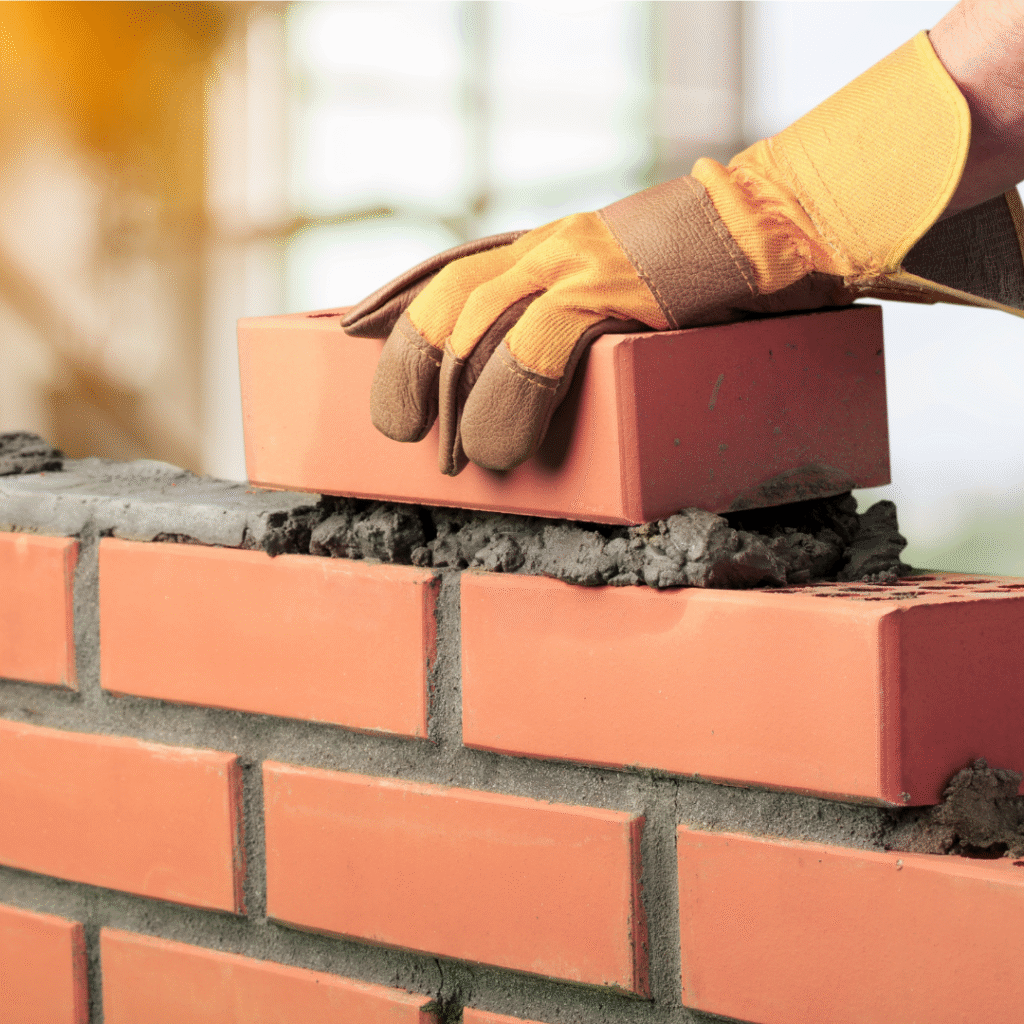
Mortar is a thick, gritty paste of cement, lime, sand, and water that grips bricks, blocks, or stones so tightly you can almost hear it set. Mortar joints are the narrow gaps between the building blocks, packed tight with a smooth gray paste. Mortar doesn’t just keep the bricks in place—it’s the glue that soaks up stress, seals fine cracks, and shields the whole wall from weather and wear in masonry construction.
The quality of mortar jointing refers to both:
- how well the mortar itself is mixed
- how well it is applied between the bricks or stones
Both factors impact structural strength, resistance to weather, and long-term durability.
Why Quality Mortar Jointing Matters
1. Bond Strength & Structural Integrity
Mortar isn’t just filler — it forms the bond that keeps masonry stable. If the mortar is too weak or poorly mixed, it can’t grip the bricks properly. It reduces the overall strength of walls and can lead to cracks or even collapse over time.
High-quality mortar jointing:
- It forms a tight bond between the bricks,
- spreads the weight evenly across each load,
- and keeps the wall from shifting or sinking over time.
2. Water Resistance and Weather Protection
One of the biggest enemies of masonry is water. Water entering through weak or crumbly joints can cause:
- moisture damage
- efflorescence (white salt stains)
- mold or mildew
- freeze-thaw cracking in cold climates
A well-mixed and properly applied mortar joint seals gaps, preventing moisture from entering the wall and helping the structure withstand rainfall and frost cycles.
3. Longevity and Reduced Maintenance
When the mortar’s laid with real skill, a wall can stand for decades and barely need a patch. Weak joints, by contrast, break down fast and soon need repair—like mortar crumbling to dust between old bricks.
Professionally jointed masonry can easily last beyond 50 years when combined with good materials and proper construction techniques.
What Makes Mortar High Quality?
A few essential traits decide if a mortar joint will stay strong and do its job—like how tightly the mix bonds when you press it between bricks.
Correct Material Proportions
Getting the balance right among cement, lime, sand, and water determines how easily the mix spreads, how strong it sets, and how tightly it grips the bricks. Add too much cement and the mortar turns brittle, snapping like dry clay under pressure. Not enough of it weakens the force, like watering down strong coffee.
Good Water Retention
The mortar needs to hold onto enough moisture as it cures, keeping it from drying out too quickly—like damp sand that still clings to your fingers. When water doesn’t hold well, the bond weakens and the surface wears out faster, like paint flaking on a sun‑baked wall.
Proper Bond and Curing Technique
Proper application ensures mortar bonds fully to both brick and masonry units. Correct curing helps the mortar reach its designed strength over time.
Right Joint Shape and Size
Achieving uniform and consistent joint thickness ensures walls can carry loads evenly and avoid stress concentrations that cause cracks.
Professional Techniques We Use
At Solid Core Construction, quality mortar jointing isn’t accidental — it’s the result of experience, craftsmanship, and careful technique. Here’s how we ensure the best results:
1. Precision Material Selection
We choose mortar ingredients with precise, engineering-grade consistency to deliver strong,
- weather-tough mixes that flex with shifting temperatures,
- keeping cracks
- moisture out—even after a hard rain.
2. Accurate Mixing Ratios
Our teams follow industry standards, not hunches, like builders checking every level before pouring the next layer of concrete. We tweak each mix to match the day’s conditions—if the air feels damp or the heat kicks up—to keep the texture steady and the bond strong.
3. Skilled Joint Application
Applying mortar isn’t just squeezing it between bricks. A skilled mason:
- fills joints completely without air voids
- compresses the mortar for maximum adhesion
- finishes joints neatly for durability and appearance
Proper joint finishing protects the wall from water and wear.
4. Repointing & Restoration
For older masonry that has worn-out joints, we provide repointing services. This involves removing old, deteriorated mortar and replacing it with fresh, compatible mortar so walls remain strong and water-resistant.
The Science Behind Durability
Mortar quality isn’t just a construction claim — it’s backed by engineering analysis. Studies show that mortar joint properties like thickness, composition, and hydration directly influence how loads are transferred and how stresses are shared in masonry structures. Well-balanced mortar helps prevent:
- Micro-cracks
- water ingress
- freeze-thaw damage
- structural weaknesses
This scientific understanding reinforces why professional mortar jointing matters so much.
Quick Comparison: Poor vs. High-Quality Mortar Jointing
| Issue | Poor Mortar Jointing | High-Quality Mortar Jointing |
| Bond Strength | Weak — bricks may loosen | Strong — secure bonds |
| Water Protection | Water seeps in | Water repelled and sealed |
| Weather Resistance | Prone to cracking | Better resist freeze-thaw cycles |
| Maintenance | High, frequent repairs | Minimal over time |
| Structural Lifespan | Shortened | Long-lasting |
Common Mistakes That Reduce Durability
Even with good materials, errors in application can hurt mortar performance:
- Incorrect mixing ratios — too much water thins the bond
- Improper curing — leads to premature cracking
- Air pockets in joints — weaken structural strength
- Ignoring environmental conditions — freeze-thaw damage in cold climates
With professional care, all of these risks are reduced or eliminated.
Industry Stats & Why Quality Matters
While exact percentages vary by region and climate, inspection reports consistently show that poor mortar joint durability is among the top three causes of masonry failure in residential and commercial walls. Walls constructed with expert mortar work are documented to last significantly longer, reducing repair costs by up to 70% over a 30-year period compared with poorly joined masonry. (Industry-wide comparison based on construction durability surveys)
Why Solid Core Construction Is Your Best Choice
If you’re looking for lasting masonry work in Toronto & GTA, Solid Core Construction brings together:
- 10+ years of professional experience
- Precision mortar jointing and brickwork
- Durable masonry work tailored to local weather conditions
- Skilled craftsmen focused on both strength and appearance
Frequently Asked Questions (FAQs)
1. How long should mortar joints last?
Well-executed mortar joints can last 50 years or more before major repair is needed.
2. Do mortar joints prevent water damage?
Yes — properly sealed joints help stop water from entering walls, greatly reducing moisture issues.
3. What is repointing?
Repointing removes old, weakened mortar and replaces it with fresh mortar to restore strength and appearance.
4. Can poor mortar ruin brickwork?
Yes — weak mortar can allow bricks to shift and crack, compromising both structure and look.
5. Does weather affect mortar quality?
Absolutely. Temperature, moisture, and freeze-thaw cycles all influence how mortar cures and performs. Professionals adjust materials and techniques accordingly.
Conclusion
Masonry’s true strength isn’t in the bricks themselves but in the smooth, sturdy mortar between them that locks every piece in place. A wall holds firm only when its bricks cling tightly together, mortar sealing them like a promise. Mix the mortar right, spread it evenly, and smooth it with a steady hand—the wall turns stronger, looks sharper, and lasts for years without crumbling.
At Solid Core Construction, we take real pride in mortar jointing done right—mixing modern know‑how, skilled hands, and dependable materials to create brick and stonework that stays strong and looks sharp, like sunlight catching the edge of a freshly laid wall.
Ready to see the difference quality mortar jointing makes?
Get a professional masonry consultation today!