

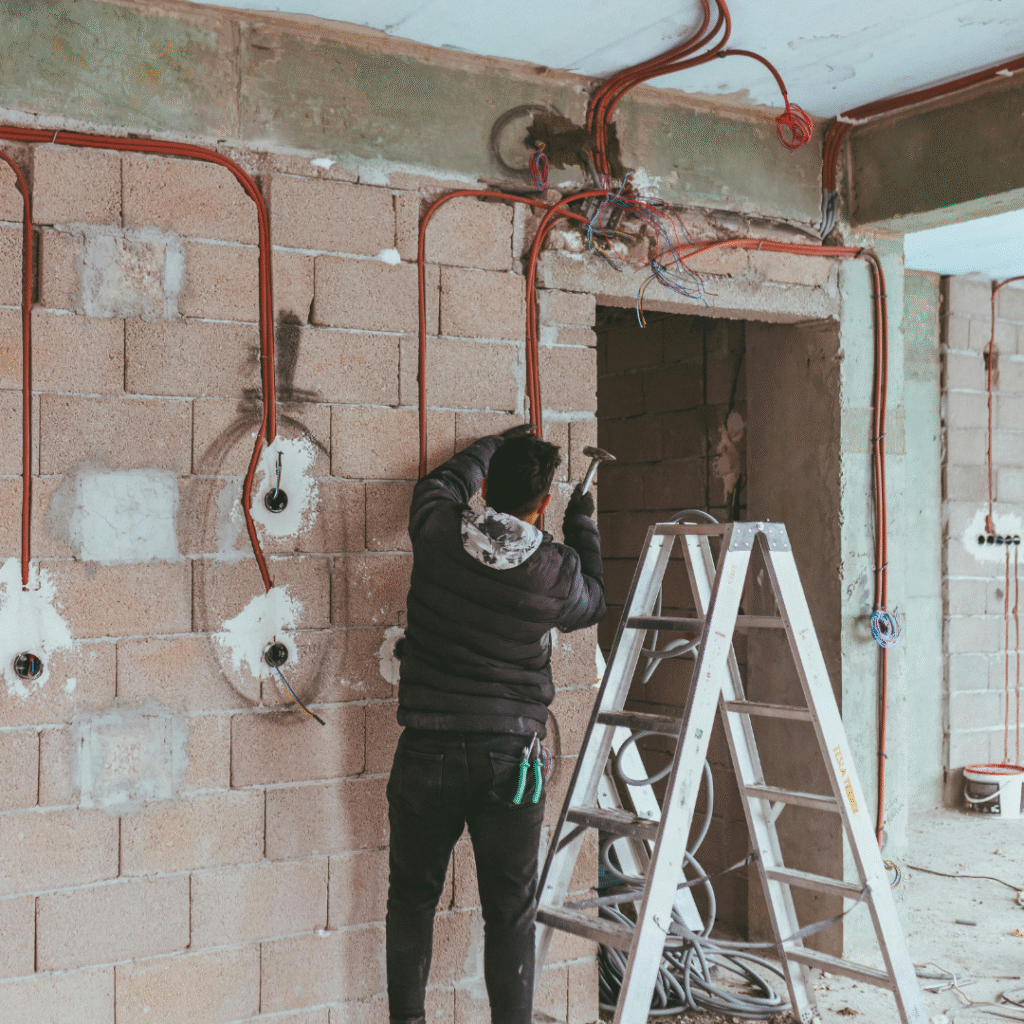
Winter can be a great season for construction, if you plan it the right way. Building in winter is smarter when you pre-plan a winter build well. Cold weather brings special problems; frozen ground, snow, short daylight, and slow material delivery. But with the right plan you can keep work moving, protect materials, and avoid big delays.
In this easy-to real guide, you’ll learn how to pre-plan a winter build using simple steps that work in cold climates. We’ll cover scheduling, heated enclosures, materials storage, site prep, and more.
To learn more about construction services, you can visit solidcoreconstruction.
Table of Contents
ToggleWhy Pre-Planing Matters for a Winter Build?
Planning early helps you avoid problems that usually slow down winter projectsMost delays happen because teams are not ready for weather changes. Reports from the Occupational Safety and Health Administration show that cold weather increases risks, so sites must be prepared with heating, clear walkways, and safe work areas.
- Avoid delays from closed supply lines and weather.
- Keep workers safe with clear cold-weather procedures.
- Protect materials so they don’t get damaged by frost or moisture.
Industry reports show many projects run late when planning is poor — a recent overview found construction projects often extend well beyond original timelines, so planning for winter buffers is essential in build ern.
Step 1. Build a Winter-Friendly Construction Schedule
When you pre-plan a winter build, make your schedule winter-aware.
Look at historic averages for freeze/thaw and heavy When planning winter schedules,
- give yourself extra time for weather‑dependent jobs,
- save outdoor work for the warmer daylight hours,
- shift indoor projects to the coldest weeks,
- check the forecast each morning,
- Book subcontractors early—winter slots tend to fill fast.
A study from several construction industry reports shows that project delays drop by 20–30% when teams plan schedules around winter conditions.
Step 2 — Materials: buy smart, store smart
Materials can be ruined by freeze, moisture, or long cold exposure. Follow these rules when you pre-plan a winter build:
- Order earlier. Lead times tend to stretch in winter when trucks crawl over icy roads. Make sure to order key items—windows, doors, and appliances—long before the install date, so you’re not waiting on a delivery truck when the crew’s ready to work.
- Use heated storage. Keep vulnerable goods (adhesives, sealants, paints, some insulation) in a heated trailer or container to keep them at manufacturer-recommended temperatures.
- Stack off the ground. Put materials on pallets and cover with waterproof tarps to avoid meltwater and ground frost.
- Keep concrete materials dry. Sand and cement must stay dry to work properly. Use covered bins or heated containers in (canadamasonrydesigncentre.com)
- Label and rotate. Follow a FIFO system—first in, first out—for any materials that react to temperature changes, like chilled vials that lose potency if they sit too long.
Material checklist for winter:
- Concrete additives & accelerators
- Heated blankets for concrete cure
- Weather-rated tarps & shrink film
- Temporary heaters and safe fuel storage
- Anti-freeze additives (when allowed by spec)
Step 3 — Heated enclosures & temporary climate control
Heated enclosures are a game changer. When you pre-plan a winter build, include tents, heated enclosures, or modular heated rooms for key operations.
- Prevent materials from freezing
- Allow concrete to cure properly
- Make indoor work possible
- Keep workers warm and safe
Why it matters: Heated enclosures reduce cold delays and improve quality — they let you pour concrete, install finishes, and apply sealants when outside temps would otherwise stop work , check. linkedin.
These enclosures can be made from temporary tents, framed structures, or shrink-wrapped scaffolding with heaters inside. For professional winter build support, visit:
Step 4 — Snow and ice removal planning
Snow is predictable — plan for it. When you pre-plan a winter build, make snow removal a core part of site prep.
- Clear walkways and work areas daily
- Set up a snow dumping area
- Use salt, sand, or eco-friendly ice melt
- Keep machinery paths clear
- Remove ice from scaffolds, roofs, and ladders
Quick plan item: Assign a daily “snow check” to someone on the crew during heavy snow periods.
Step 5 — Groundwork and foundation in winter
Foundations are sensitive to frost and frozen subgrade. If you must do earthwork in winter, plan carefully.
- Protect excavations from frost. Use thermal blankets or straw insulation to stop freezing in shallow footings.
- Use ground heaters when needed. A single drop of rain slid down the window and disappeared.
- Delay where safe. If possible, delay footing pours until thaw, or use special cold-weather concrete mixes and accelerators if codes allow.
- Check local codes. Different areas set their own rules for winter concrete and frost control, so check your local authority’s guidance before you mix that first cold batch.
Step 6 — Worker safety & cold stress
Protecting people is top priority. OSHA and other bodies stress planning, equipment, and training for cold weather.
- Train crews on cold stress (hypothermia, frostbite, fatigue).
- Provide PPE: warm layers, insulated boots, hand warmers, and dry clothing to change into.
- Rotate workers In warm spots, keep working as usual, but when the air bites with cold, switch to shorter shifts.
- Have a warm shelter on site (heated trailer) for breaks and emergencies.
- Monitor weather Work every day, but drop your tools if the heat turns brutal.
Step 7 — Tools, equipment, and machinery care
Cold weather changes how machinery works. Plan for it.
- Use winter-grade lubricants and antifreeze. Cold thickens fluids — use low-temp oils per manufacturer specs.
- Warm up equipment before heavy use to avoid damage.
- Battery care. Keep batteries charged and warm; consider battery blankets for long cold storage.
- Keep parts dry. Snow and salt can corrode gear fast — wash equipment and cover when idle.
Step 8 — Communication and contingency
Good communication prevents small problems from becoming big ones.
- Daily briefings. Start each day with a short weather and safety briefing.
- Have backup suppliers for key materials in case of transit delays.
- Plan for power outages. Backup generators and fuel plans keep the lights humming and the heated enclosures warm, even when the main power cuts out.
- Document everything. Record each weather swing, crew adjustment, and scope change so claims stay clear and progress easy to track.
Use local and expert resources
When you pre-plan a winter build, follow local code and expert guidance:
- OSHA on winter weather preparedness is a key resource for worker safety.
- NAHB offers practical winter jobsite tips for builders nahb.org .
- For industry trends and scheduling risks, reports from Skanska and AGC show the need to plan for labor and supply issues in recent years.
Short checklist to use when you pre-plan a winter build
- Winter-aware master schedule with buffer days
- Early ordering of long-lead items
- Heated storage & temporary heated enclosures booked
- Snow removal plan and booked contractors
- Safety plan for cold stress and warm shelters
- Backup power and fuel plan
- Daily weather monitoring and change-order protocol
FAQs
Q: Can I pour concrete in winter?
A: Yes. Use heated enclosures, blankets, or approved accelerators and follow local codes. Protect the pour from freezing until it reaches sufficient strength.
Q: Do heaters cause fire risks?
A: Heaters do add risk. Use certified heaters, keep them clear of combustibles, and ensure proper ventilation to avoid carbon monoxide. Follow manufacturer and OSHA guidance.
Q: How much extra time should I plan for winter work?
A: Add at least 10–20% schedule float for weather and supply issues, and more for heavy snow areas. Industry reports recommend building buffer time into winter schedules.
Q: How should I store cement and adhesives?
A: Store in heated, dry containers. Keep them off the ground on pallets and rotate stock to use older materials first.
Q: Is it cheaper to build in winter?
A: Sometimes. Contractors may be more available and competitive in winter. But winter protection (heaters, tents, snow removal) adds cost, so budget both savings and winter expenses.
Conclusion
Plan your winter build ahead, and you’ll keep the work humming and the quality solid, even when frost crunches under your boots. Start with a winter-ready schedule, stock and store your materials safely, keep delicate tasks inside heated enclosures, plan how you’ll clear snow, and always look out for your crew’s safety. Follow these steps and you’ll cut down delays, keep the surface smooth, and stay on budget.
If you want help making a winter plan or booking heated enclosures and crews, visit Solid Core Construction we can help you make a strong, safe winter build plan and keep your project on track.